Chelsea Poorman

Case Information:
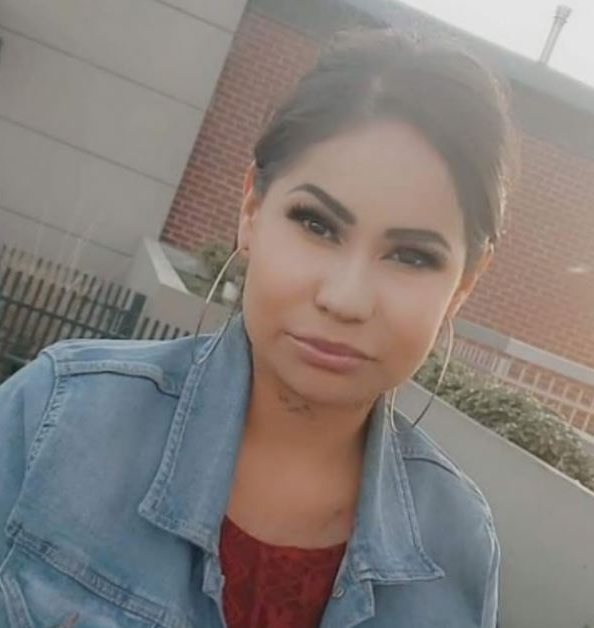
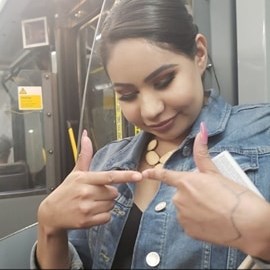
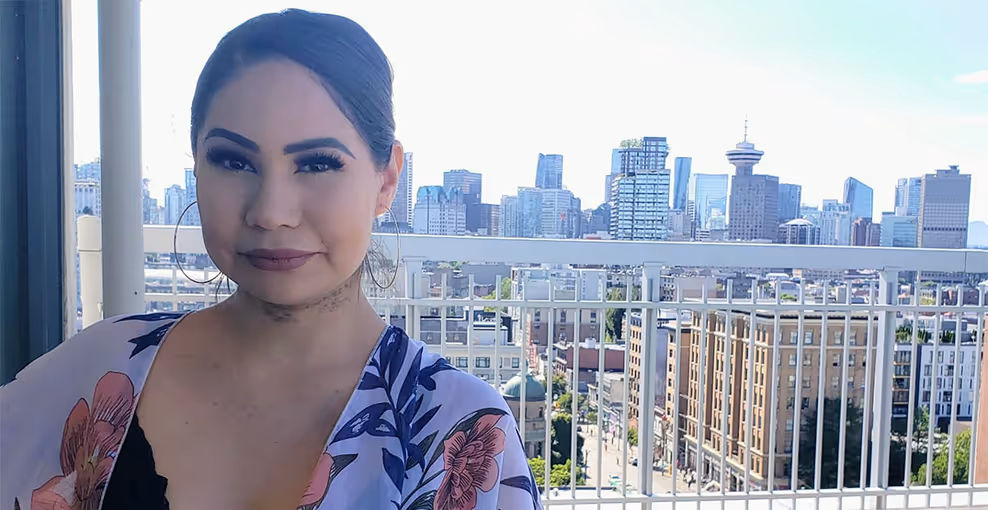
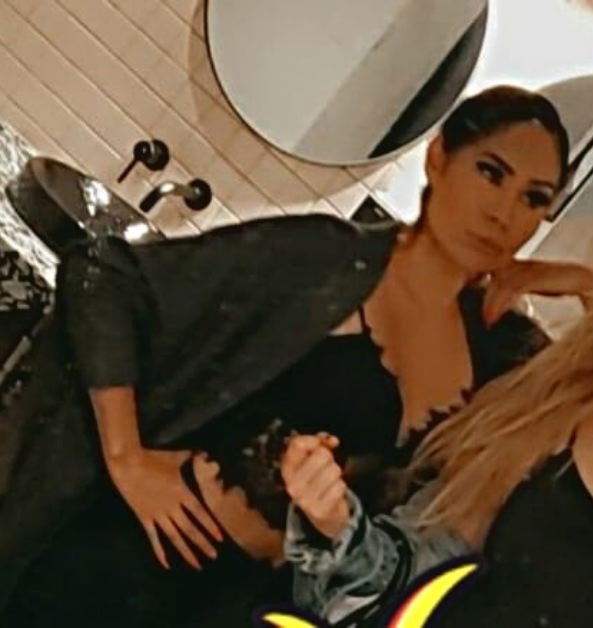
Chelsea Poorman was 24 years old when she disappeared from Vancouver, British Columbia, Canada, during the late-night hours of September 6 into September 7, 2020. The young Indigenous woman was last heard from after sending a message to her sister saying she had “met a new bae” before all communication suddenly stopped.
Chelsea was born in 1995 in Regina, Saskatchewan, and was a member of the Kawacatoose First Nation. Friends and loved ones described her as compassionate, thoughtful, and deeply caring toward others, often going out of her way to help vulnerable people living on the streets.
Case Details:
Chelsea endured significant hardships throughout her life, including time spent in foster care alongside her sisters while her mother battled cancer and addiction. Despite the challenges she faced growing up, Chelsea remained resilient and eventually reunited with her family during her teenage years.
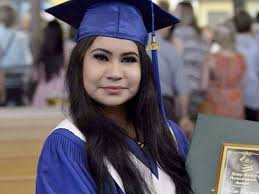
In 2014, shortly after graduating from Bishop Murray High School in Saskatoon and receiving a perseverance award, Chelsea was struck by a truck while walking home. The devastating collision left her with a traumatic brain injury, permanent physical disabilities, and injuries so severe doctors were uncertain whether she would survive.



Timeline of Events:
In July 2020, Chelsea moved from Regina to Vancouver in hopes of finding a fresh start closer to family and improved mental health resources. According to loved ones, she had been making meaningful progress in the months leading up to her disappearance.
On September 6, 2020, Chelsea spent the evening with her sister Paige in downtown Vancouver, visiting Gastown’s Alibi Room, the Belmont Hotel, and later a gathering near Granville Street. After leaving the party intoxicated following a minor disagreement, Chelsea sent her final known message at 12:57 a.m. stating she had met someone before vanishing without a trace.
Investigation:
Chelsea’s family reported her missing to the Vancouver Police Department on September 8, 2020, but criticism quickly emerged regarding the handling of the investigation. Her mother, Sheila Poorman, repeatedly stated that authorities failed to take Chelsea’s vulnerabilities seriously during the crucial early stages of the case.
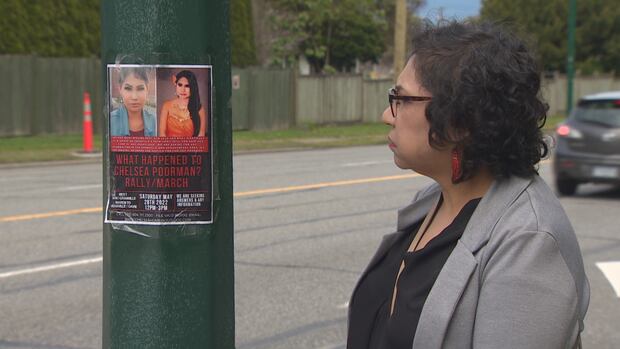
Investigators later transferred the case to the homicide unit, citing Chelsea’s vulnerable condition and the need for additional resources. Meanwhile, family members organized searches, distributed flyers throughout Vancouver, raised reward money, and held awareness events in hopes of generating leads.
Community Response:
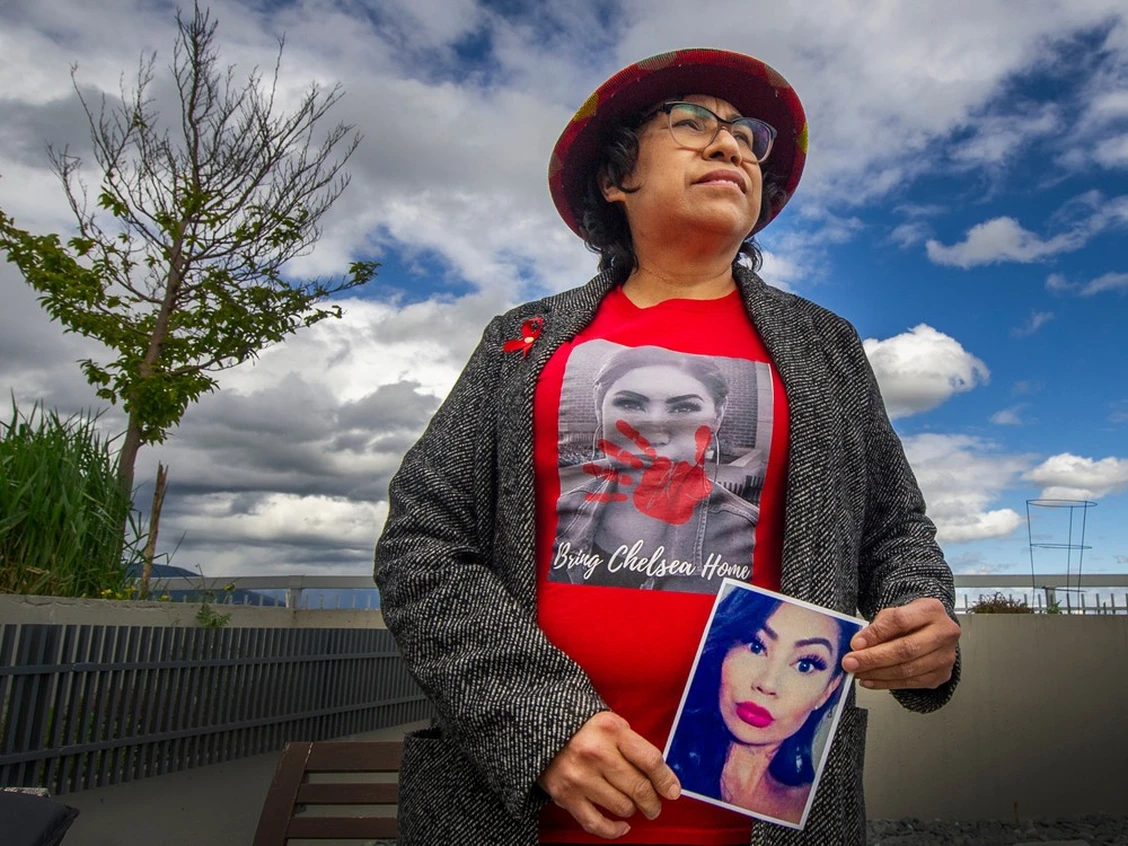
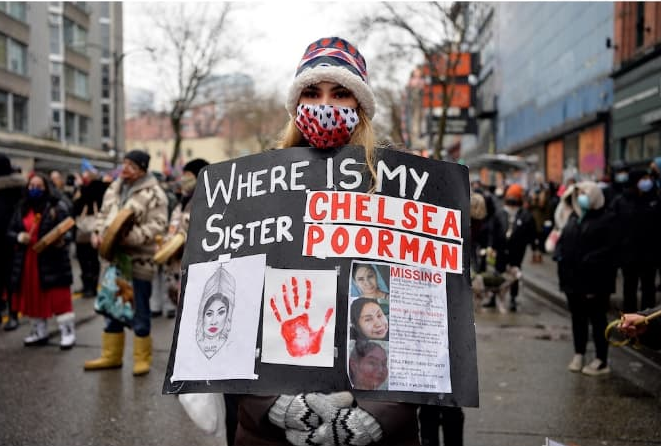
Chelsea’s disappearance sparked widespread attention across Indigenous Communities throughout Canada and became symbolic of broader concerns surrounding missing and murdered Indigenous women and girls. Vigils, marches, and awareness campaigns were organized to keep Chelsea’s name in the public eye and pressure authorities for answers.
Supporters frequently wore red and pink during memorial walks honoring Chelsea and other Indigenous women who remain missing. Community members also rallied behind the “Bring Chelsea Home” campaign, which became a powerful source of support for her family.
Family Statements:
Chelsea’s family consistently expressed frustration and heartbreak over the investigation, believing more urgency should have been shown from the beginning. Her mother publicly criticized the delayed response by police and questioned why Chelsea’s physical and cognitive disabilities were not treated with greater concern immediately after she vanished.
Her father, Mike Kiernan, became heavily involved in independent search efforts and later voiced shock after personally visiting the vacant property where Chelsea’s remains were discovered. Family members have continued advocating for accountability and transparency while seeking answers surrounding the circumstances of her death.
Physical Appearance:
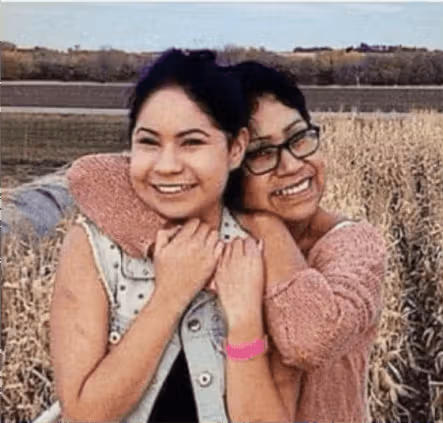
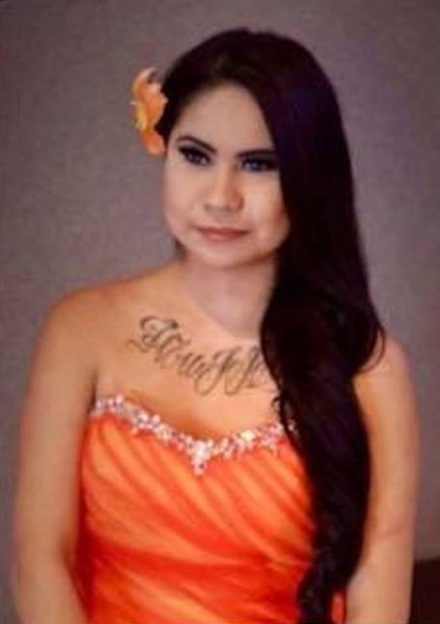
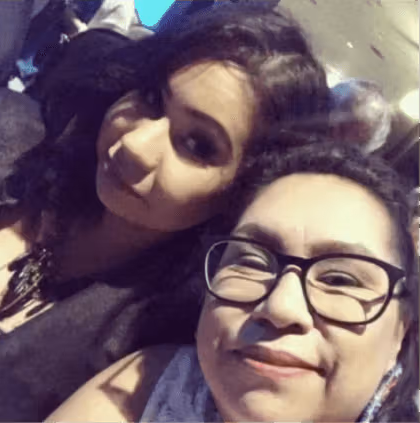
Chelsea Poorman stood approximately 5-foot-3 and had a slender build, weighing around 120 pounds. She had black hair, brown eyes, and faded tattoos on her left arm.
Because of injuries suffered during the 2014 accident, Chelsea walked with a noticeable limp, wore a leg brace, and used a lifted shoe. Her left arm remained permanently bent at a 90-degree angle and displayed visible scarring.
Current Status:
On April 22, 2022, construction workers discovered Chelsea Poorman’s remains outside a long-vacant mansion in Vancouver’s affluent Shaughnessy neighborhood. Authorities later stated they believed she likely died shortly after disappearing, though questions from her family regarding the circumstances surrounding her death have persisted.
In May 2025, the New Westminster Police Department confirmed it was investigating several Vancouver police officers involved in Chelsea’s missing persons case for potential neglect of duty. The investigation reportedly centers on concerns surrounding the original police response and handling of the disappearance.
Contact Information:
Anyone with information regarding Chelsea Poorman’s disappearance or death is encouraged to contact the Vancouver Police Department at 604-717-2500 or 604-717-3321. Anonymous tips can also be submitted through Crime Stoppers by calling 1-800-222-8477.
Chelsea’s case continues to resonate throughout Canada as advocates, Indigenous leaders, and loved ones call for greater accountability and improved protections for vulnerable missing persons. Her story remains one of the country’s most widely discussed missing persons investigations in recent years.
More Missing:
Located & Safe:
Other Resources: