Kendrick Johnson
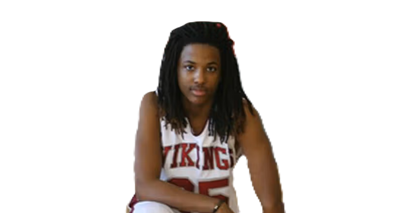
Kendrick “KJ” Johnson was last seen on January 10, 2013, at 1:27 PM entering the old gym at Lowndes High School in Valdosta, Georgia.
The next day, January 11, his body was discovered inside a vertically rolled wrestling mat stored upright in the gym. The school went into lockdown as investigators arrived, and his family held a vigil days later.
The Georgia Bureau of Investigation ruled Kendrick’s death an accident caused by positional asphyxia, concluding he became trapped while reaching for a shoe. His family rejected that finding, pointing to the paramedic report and other inconsistencies.
A second autopsy in June 2013 found “unexplained, apparent non‑accidental blunt force trauma,” and a third autopsy in 2018 again concluded non‑accidental blunt force trauma to the right neck and thorax.


The case has been reviewed repeatedly. A federal investigation from 2013 to 2016 found insufficient evidence for criminal charges. In 2021, the Lowndes County Sheriff reopened the case, later closing it in 2022 while maintaining the original accidental‑death ruling.
In February 2025, a federal appeals court asked a Georgia court to reconsider the dismissal of a lawsuit filed by Kendrick’s parents, who allege false information, mishandled evidence, and mutilation of their son’s body during the autopsy.
Several unresolved issues continue to fuel public concern. The family’s independent autopsy found blunt force trauma, contradicting the state’s findings. Kendrick’s internal organs were missing during the second autopsy and replaced with newspaper, which a state review called poor practice but not illegal.
Surveillance footage from the school shows Kendrick entering the gym alone, but gaps and unsynchronized cameras have raised long‑standing questions.
More than a decade later, Kendrick’s family continues to fight for answers, filing amended lawsuits and pushing for transparency in how his death was investigated and documented.
His case remains one of the most widely discussed and contested school‑related deaths in the United States, with ongoing legal action and public pressure keeping the search for clarity alive.